Cozy Relaxing Master Bedroom Decor Ideas
Cozy Relaxing Master Bedroom Decor Ideas
Cozy Relaxing Master Bedroom Decor Ideas
When did your bedroom stop feeling like a retreat?
For most people it happens gradually. A pile of laundry here. A work bag dropped by the door there. The TV moved in. The phone charger plugged in on the nightstand. And slowly the room that was supposed to be your sanctuary starts feeling like just another room in the house.
The good news is that creating a genuinely cozy and relaxing master bedroom does not require a renovation or a big budget. It requires intention. And a clear understanding of what actually makes a space feel restful versus what just looks good in a photo.
These cozy relaxing master bedroom decor ideas are built around that understanding. Every idea on this list contributes to the actual experience of relaxation not just the appearance of it.
Why Your Bedroom Might Not Feel Relaxing Right Now
Before we get into the solutions let us look at the most common reasons a bedroom fails to feel relaxing. Because once you understand the problems the solutions become obvious.
The most common culprit is clutter. Visible clutter keeps the brain in a low level state of alert because it represents unfinished business. Your brain sees the laundry pile and registers it as something that needs doing. It sees the stack of papers on the dresser and does the same. Clutter is the enemy of genuine relaxation.
The second most common culprit is lighting. Bright white overhead lighting activates the brain and signals alertness. It is the opposite of what you need in a bedroom. Warm ambient lighting at lower levels tells the brain that it is safe to wind down.
The third culprit is technology. Phones, TVs, and laptops in the bedroom are all stimulants. They keep the nervous system engaged when it needs to be disengaging. Even having them visible in the room affects your ability to relax even when they are switched off.
Every idea in this list addresses one or more of these three fundamental problems.
Cozy Relaxing Master Bedroom Decor Ideas
1. Create a Dedicated Wind Down Corner
One of the most powerful things you can do for your bedroom’s relaxation factor is to create a specific zone that is only ever used for relaxing activities. Reading. Journaling. Meditating. Listening to music with your eyes closed.
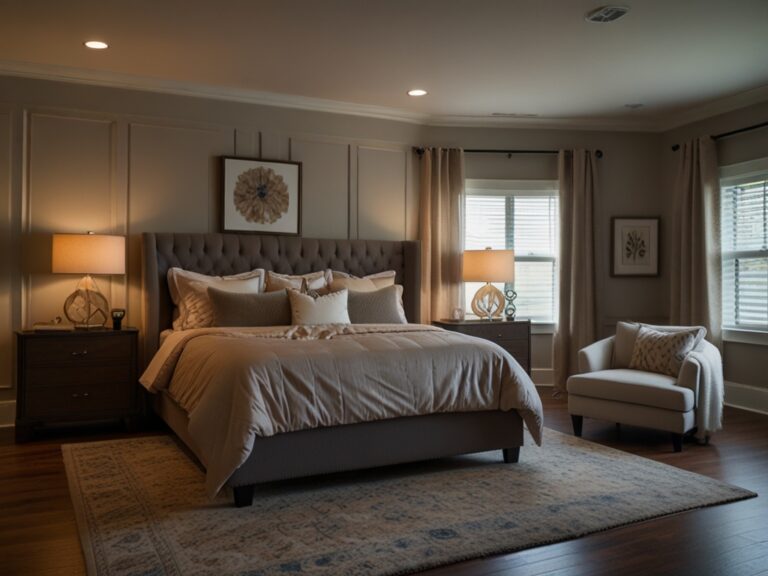
A comfortable chair and a floor lamp in the corner of the room is all it takes. Make this spot as inviting as possible. A soft cushion, a small blanket draped over the arm, a side table with a candle and your current book. Train yourself to use this spot every evening and your body will start to associate it with winding down before you even sit down.
2. Layer Your Bedding for Maximum Softness
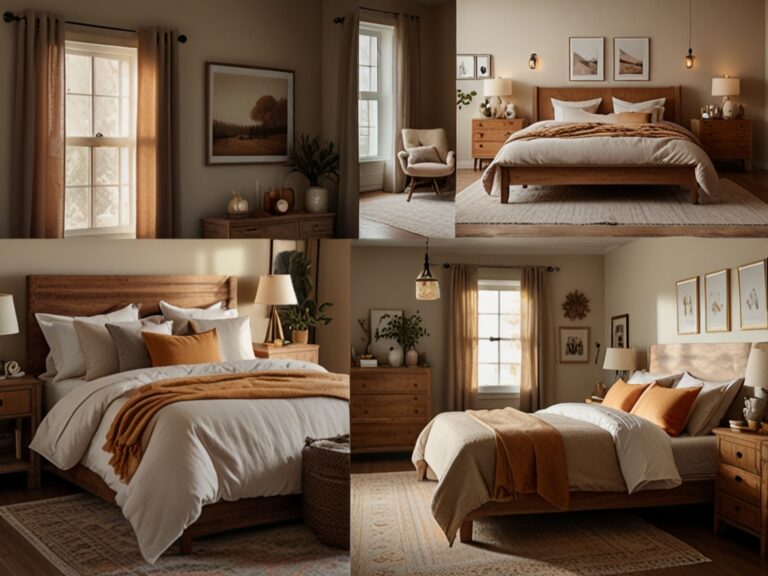
The bed in a cozy relaxing bedroom should look so inviting that you want to climb into it the moment you walk through the door. Achieving this is entirely about layering.
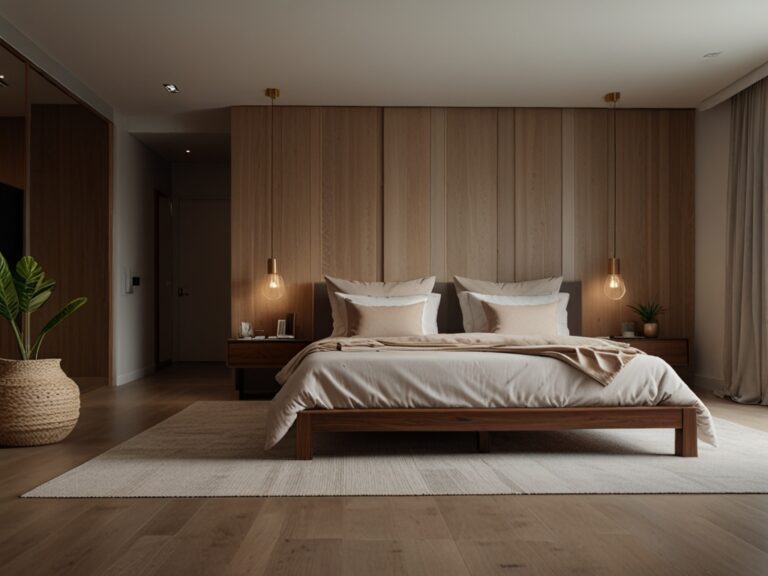
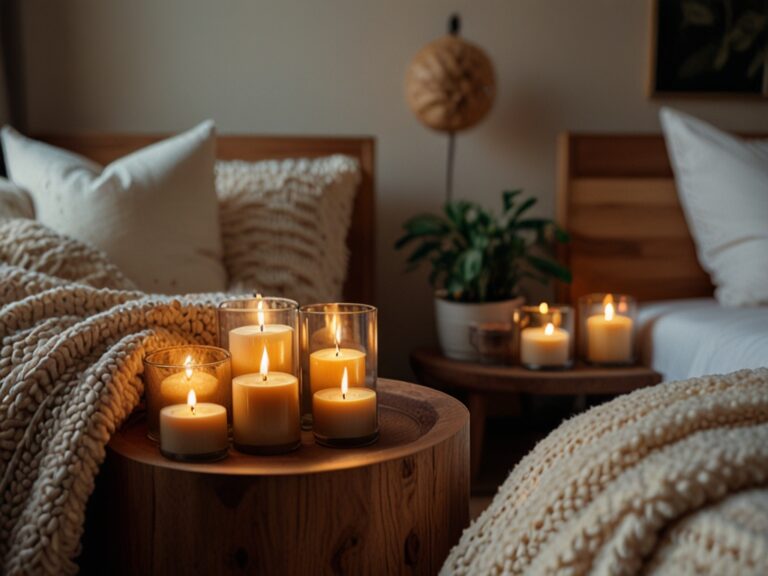
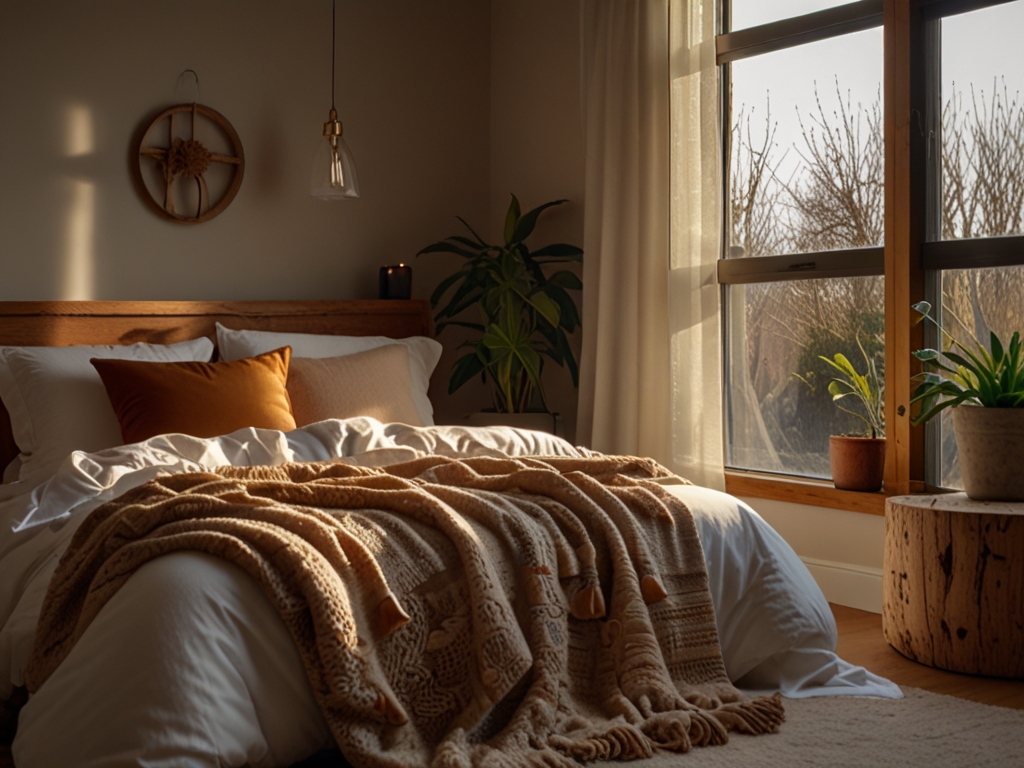
Start with high quality soft sheets. Cotton percale or linen both feel incredible and get softer with every wash. Add a duvet with a washable cover in a warm neutral. Layer a lightweight blanket across the lower third of the bed for an extra layer of warmth that can be pulled up or pushed aside as needed. Finish with a chunky knit or woven throw casually draped at the foot.
The goal is to have so many soft layers available that you always have exactly the right amount of warmth without having to get up and find a blanket in the middle of the night.
3. Use Only Warm Amber Lighting
This is the single most impactful change you can make to the relaxation factor of your bedroom and it costs almost nothing.
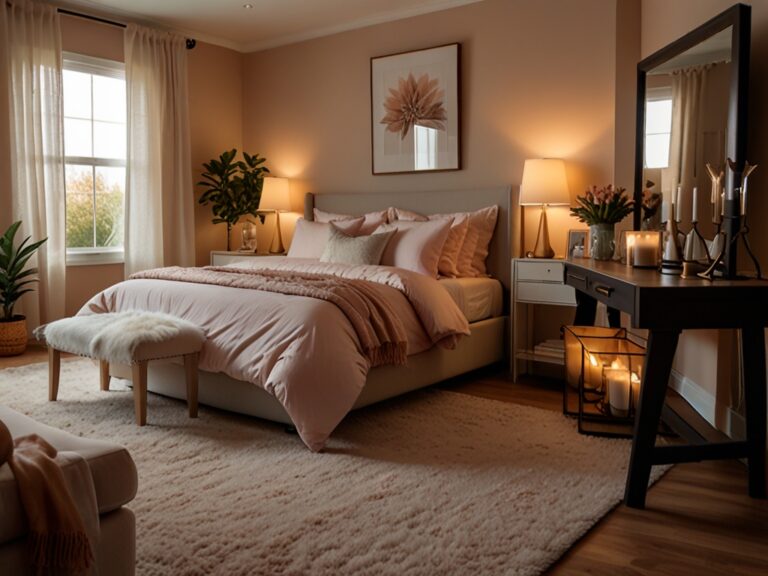
Replace every bulb in your bedroom with warm white or amber bulbs in the 2200K to 2700K color temperature range. These bulbs emit a warm golden light that tells your brain it is evening and that it is safe to start winding down.
Then get rid of your overhead light habit entirely. Use your bedside lamps, your floor lamp, and your candles only. The lower the light source the more relaxing the effect. Even one amber bulb table lamp in a corner changes the atmosphere of a bedroom dramatically.
4. Add a Sound Machine or Nature Sounds Speaker
Sound is one of the most underrated elements of a relaxing bedroom environment. Silence is wonderful but for many people in urban environments true silence is not possible. A sound machine that plays white noise, rain, ocean waves, or forest sounds can completely transform the acoustic environment of a bedroom.
Place it on your nightstand or dresser and run it every night. Over time your brain will start to associate the sound with sleep and relaxation making it easier to wind down even on difficult nights. Choose one that looks beautiful as well as sounds good so it becomes part of your bedroom styling rather than an eyesore.
5. Remove All Technology From Eye Line
You do not have to remove your phone or TV from the bedroom entirely if that feels too extreme. But you should at least remove them from your eye line when you are lying in bed.
Move the TV to a spot where it is not the first thing you see when you lie down. Put your phone charger in a drawer or behind the nightstand so the phone is not visible on the surface. Cover any other tech with a beautiful cloth or basket when not in use.
Out of sight genuinely is out of mind when it comes to technology and relaxation. Even the visual presence of a phone screen or a TV is enough to keep the brain in a slightly elevated state of alertness.
6. Bring in Calming Colors
Color has a direct physiological effect on the nervous system. Certain colors genuinely relax the body while others stimulate it. In a relaxing bedroom you want to surround yourself with colors that your nervous system reads as safe, warm, and calm.
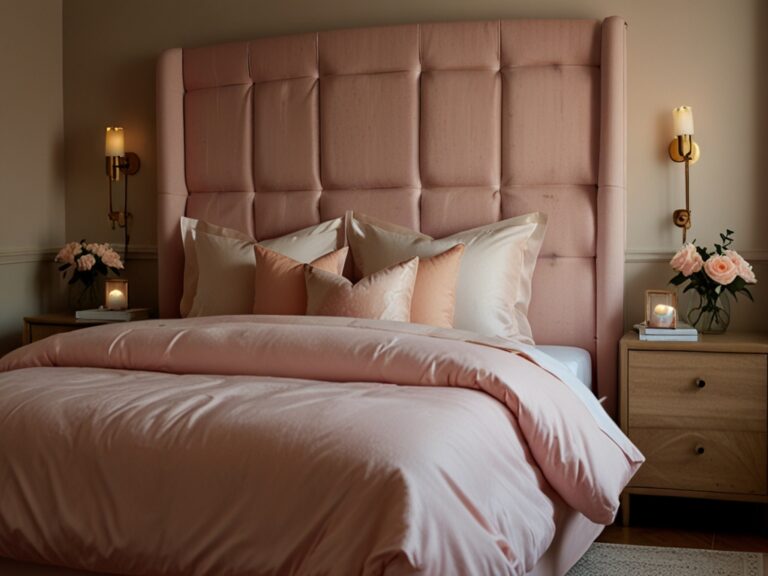
The most relaxing colors for a bedroom are soft sage green, warm dusty blue, creamy warm white, soft terracotta, and muted lavender. All of these have been shown to reduce heart rate and cortisol levels making them genuinely relaxing rather than just aesthetically pleasing.
You do not need to repaint your entire room. Even adding a sage green throw, dusty blue pillows, or a terracotta plant pot can shift the emotional atmosphere of the room.
7. Use Blackout Curtains for Better Sleep
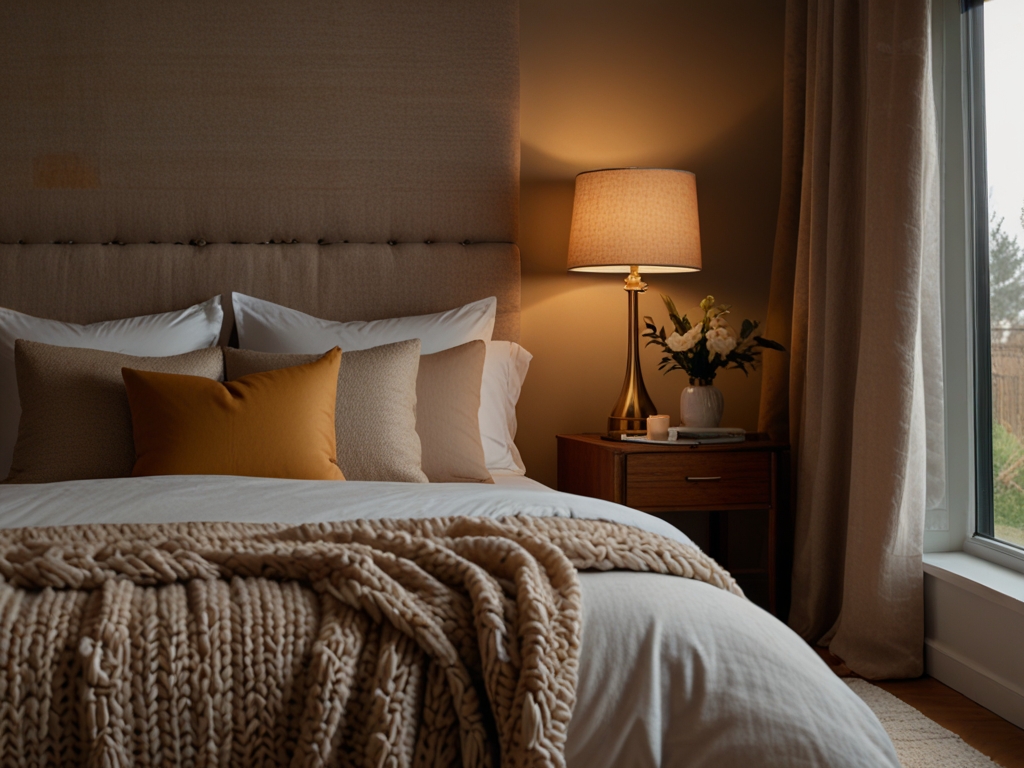
Light is one of the primary signals your brain uses to regulate your sleep wake cycle. Even small amounts of light in the bedroom can disrupt sleep quality significantly.
Invest in proper blackout curtains or add a blackout lining to your existing curtains. The difference in sleep quality is immediate and significant for most people. Hang them as close to the ceiling as possible and make sure they extend well beyond the edges of the window frame so no light creeps in around the sides.
In the morning pull them back fully to flood the room with natural light which helps reset your circadian rhythm and makes waking up feel more natural and energizing.
8. Add Indoor Plants for Air Quality and Calm
Indoor plants have two powerful effects in a bedroom. They improve air quality by absorbing carbon dioxide and releasing oxygen which can genuinely improve sleep quality. And they create a connection to nature that has a proven calming effect on the nervous system.
The best plants for a bedroom are those that release oxygen at night rather than during the day. Snake plants, peace lilies, aloe vera, and pothos all perform photosynthesis differently and are especially beneficial in a bedroom environment.
Keep them in simple beautiful pots that complement your color palette. Terracotta, ceramic, and woven baskets all add to the cozy organic feel of the room.
9. Create a Journaling and Wind Down Ritual Space
A relaxing bedroom is not just about how it looks. It is about how you use it. Creating a specific evening ritual that signals to your brain and body that it is time to wind down is one of the most effective things you can do for your sleep and your sense of relaxation.
Set up a beautiful journaling spot on your nightstand. A simple notebook, a smooth pen, and a small candle. Use it for ten minutes every evening to write down what you are grateful for, what you want to let go of, and what you are looking forward to tomorrow. This ritual clears mental clutter before sleep in a way that no amount of bedroom decoration can replicate.
10. Use Weighted Blankets Strategically
Weighted blankets have become increasingly popular in recent years and for good reason. The gentle pressure they provide has been shown to reduce anxiety and improve sleep quality in a significant number of people by triggering the same physiological response as being held or hugged.
If you have never tried a weighted blanket start with one that is approximately ten percent of your body weight. Use it as your top layer in colder months or keep it folded at the foot of the bed for evenings when you are watching TV or reading before sleep.
Choose one in a fabric and color that fits your bedroom palette. Linen and cotton weighted blankets in warm neutral tones look beautiful as well as feel incredible.
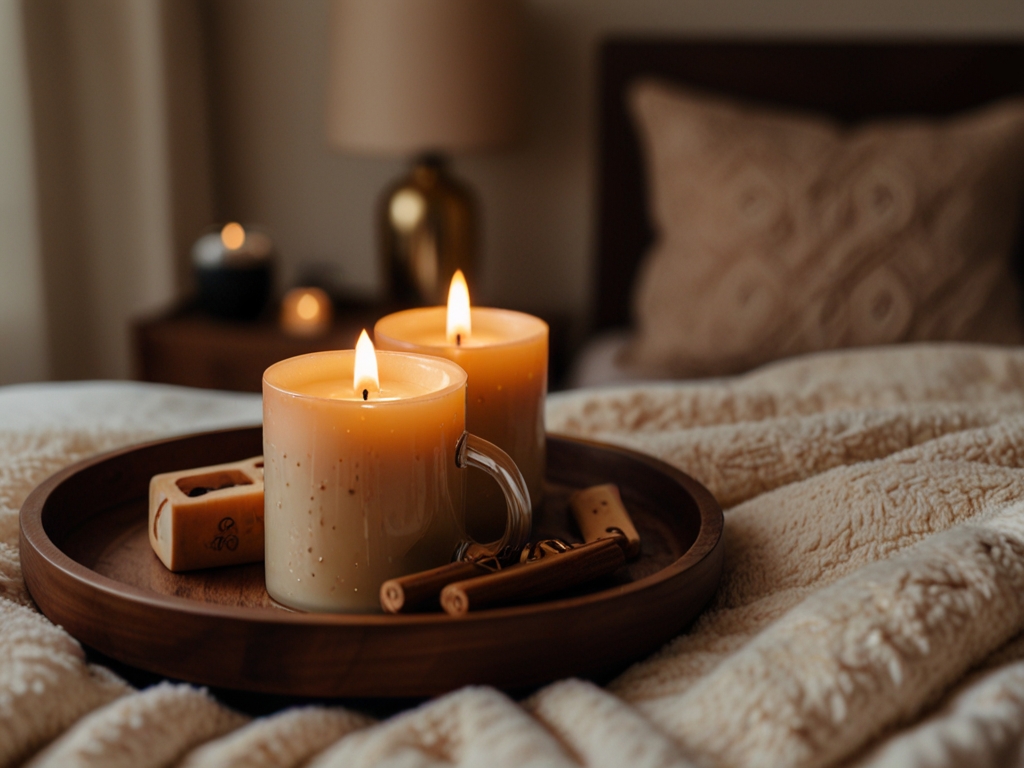
11. Keep Only What Brings You Peace on Your Nightstand
Your nightstand is the last thing you see before you close your eyes and the first thing you see when you wake up. It has an outsized influence on your psychological state in the bedroom.
Clear it completely and then replace only what genuinely contributes to your relaxation and wellbeing. A good book. A beautiful candle. A small plant. A glass of water. Your journal. A calming hand cream. Nothing that creates mental task lists. Nothing that reminds you of work or obligations. Nothing stressful.
12. Add Aromatherapy to Your Evening Routine
Certain scents have documented calming effects on the nervous system. Lavender is the most well studied with multiple studies showing it reduces anxiety and improves sleep quality. Chamomile, bergamot, and sandalwood have similar documented effects.
Add aromatherapy to your bedroom through a diffuser with essential oils, a lavender pillow spray used on your linens before bed, or a scented candle burned for an hour before sleep and extinguished before you close your eyes.
The ritual of scenting your bedroom in the evening becomes a powerful signal to your nervous system that it is time to rest.
13. Use Soft Rugs Everywhere
Cold hard floors are a physical interruption to relaxation. Stepping out of a warm cozy bed onto cold bare floor immediately jolts you awake in an unpleasant way.
Make sure there is soft rug coverage on both sides of your bed and at the foot of it. Layer rugs for extra coverage and visual warmth. A large plush area rug under the bed with smaller softer rugs beside it ensures that wherever your feet land when you get out of bed they land on something soft and warm.
14. Keep the Room Cool and Well Ventilated
This is the most practical idea on this list and possibly the one with the most direct impact on sleep quality. Research consistently shows that people sleep better in cooler rooms. The ideal sleep temperature for most people is between 65 and 68 degrees Fahrenheit.
Keep your bedroom slightly cooler than the rest of the house, especially in the hour before bed. Use your layered bedding system to stay warm while the room temperature stays cool. Open a window if weather permits for fresh air circulation. A small quiet fan can provide both cooling and white noise simultaneously.
15. Establish a No Work Zone Policy
The final idea on this list is behavioral rather than decorative but it might be the most impactful of all. Decide that your bedroom is a no work zone and enforce it with the same seriousness as any other design decision.
No laptops open. No work emails checked. No work calls taken. No work bags visible. The bedroom is for rest, connection, and relaxation only. When you consistently honor this boundary your bedroom starts to feel like a genuine retreat because your brain learns that when you are in this room you are not working. That association alone is profoundly relaxing.
Your Relaxing Bedroom Quick Start Plan
Do not try to do all 15 at once. Here is where to start for the fastest transformation:
This weekend (free or nearly free):
- Change all bulbs to warm amber in the 2700K range
- Clear your nightstand down to five items or fewer
- Remove technology from your eye line
- Establish a no work zone rule
Next weekend (small budget):
- Add a candle and a reed diffuser
- Get a chunky throw blanket for the foot of the bed
- Buy one indoor plant in a beautiful pot
- Add a journal to your nightstand
Over the next month (medium budget):
- Invest in blackout curtains or lining
- Add a soft rug on each side of the bed
- Create a wind down reading corner
- Try a weighted blanket
Final Thoughts
A cozy relaxing bedroom is not a luxury. It is a necessity. The quality of your sleep and the quality of your relaxation at home directly affects the quality of every other area of your life.
You deserve a bedroom that genuinely restores you. Not just one that looks good in a photo but one that makes you feel better after spending time in it.
Start with the ideas that resonate most. The ones that address the specific things about your bedroom that feel wrong right now. Even two or three changes made with intention will make a noticeable difference within a week.
Save this post and share it with anyone who needs a more relaxing bedroom in their life.